
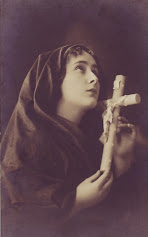
dagerrotípiája 1847-bül
- jegyajándoka menyasszonyának,
Szendrey Júliának
Szendrey Júliának
Szeptember végén
Még nyílnak a völgyben a kerti virágok,
Még zöldel a nyárfa az ablak előtt,
De látod amottan a téli világot?
Már hó takará el a bérci tetőt.
Még ifju szivemben a lángsugarú nyár
S még benne virít az egész kikelet,
De íme, sötét hajam őszbe vegyül már,
A tél dere már megüté fejemet.

Elhull a virág, eliramlik az élet…
Űlj, hitvesem, űlj az ölembe ide!
Ki most fejedet kebelemre tevéd le,
Holnap nem omolsz-e sírom fölibe?
Oh mondd: ha előbb halok el, tetemimre
Könnyezve borítasz-e szemfödelet?
S rábírhat-e majdan egy ifju szerelme,
Hogy elhagyod érte az én nevemet?
Ha eldobod egykor az özvegyi fátyolt,
Fejfámra sötét lobogóul akaszd,
Én feljövök érte a síri világból
Az éj közepén, s oda leviszem azt,
Letörleni véle könyűimet érted,
Ki könnyeden elfeledéd hívedet,
S e szív sebeit bekötözni, ki téged
Még akkor is, ott is, örökre szeret!

Life runs out its course. The petals are falling.
Come, sit on my lap, my beloved, my bride!
Today you are nestling your head on my shoulder, -
How long would you grieve, if tomorrow I died?!
O, should you throw off the black veil of a widow,
Hoist it on my grave - a dark banner of doom!
At midnight I will then come up from the shadows,
And carry it down with me, back to my tomb,
To bind up the wound in a heart that is bleeding
For you, who forgot; and to wipe up the tears
Of one full of grief, who will love you forever,
Will love you alone, even then, even there.
Nemzeti dal - National song
Alas! till now we were but slaves;
Our fathers resting in their graves
Sleep not in freedom’s soil. In vain
They fought and died free homes to gain.
But by the Magyar’s God above
We truly swear,
We truly swear the tyrant’s yoke
No more to bear!
A miserable wretch is he
Who fears to die, my land, for thee!
His worthless life who thinks to be
Worth more than thou, sweet liberty!
Now by the Magyar’s God above
We truly swear,
We truly swear the tyrant’s yoke
No more to bear!
The sword is brighter than the chain,
Men cannot nobler gems attain;
And yet the chain we wore, oh, shame!
Unsheath the sword of ancient fame!
For by the Magyar’s God above
We truly swear,
We truly swear the tyrant’s yoke
No more to bear!
The Magyar’s name will soon once more
Be honored as it was before!
The shame and dust of ages past
Our valor shall wipe out at last.
For by the Magyar’s God above
We truly swear,
We truly swear the tyrant’s yoke
No more to bear!
And where our graves in verdure rise
Our children’s children to the skies
Shall speak the grateful joy they feel,
And bless our names the while they kneel.
For by the Magyar’s God above
We truly swear,
We truly swear the tyrant’s yoke
No more to bear!
Még zöldel a nyárfa az ablak előtt,
De látod amottan a téli világot?
Már hó takará el a bérci tetőt.
Még ifju szivemben a lángsugarú nyár
S még benne virít az egész kikelet,
De íme, sötét hajam őszbe vegyül már,
A tél dere már megüté fejemet.

Elhull a virág, eliramlik az élet…
Űlj, hitvesem, űlj az ölembe ide!
Ki most fejedet kebelemre tevéd le,
Holnap nem omolsz-e sírom fölibe?
Oh mondd: ha előbb halok el, tetemimre
Könnyezve borítasz-e szemfödelet?
S rábírhat-e majdan egy ifju szerelme,
Hogy elhagyod érte az én nevemet?
Ha eldobod egykor az özvegyi fátyolt,
Fejfámra sötét lobogóul akaszd,
Én feljövök érte a síri világból
Az éj közepén, s oda leviszem azt,
Letörleni véle könyűimet érted,
Ki könnyeden elfeledéd hívedet,
S e szív sebeit bekötözni, ki téged
Még akkor is, ott is, örökre szeret!
End of September
Below in the valley the gardens still flower,
The poplar in front of the house is still green,
But look at the crest of the snowcovered mountain
Presenting already a wintery scene!
The poplar in front of the house is still green,
But look at the crest of the snowcovered mountain
Presenting already a wintery scene!
Still young in my heart is the flame-throwing summer
With spring, in its fullness, still lingering there,
And yet an untimely and desolate winter
Is sprinkling with hoarfrost the dark of my hair.
With spring, in its fullness, still lingering there,
And yet an untimely and desolate winter
Is sprinkling with hoarfrost the dark of my hair.

Life runs out its course. The petals are falling.
Come, sit on my lap, my beloved, my bride!
Today you are nestling your head on my shoulder, -
How long would you grieve, if tomorrow I died?!
O tell me - if soon I should die - will you weeping,
With mourning veils cover my sorrow remains? –
Will you, by a subsequent love persuaded,
Abandon my name - for a different name? …
With mourning veils cover my sorrow remains? –
Will you, by a subsequent love persuaded,
Abandon my name - for a different name? …
O, should you throw off the black veil of a widow,
Hoist it on my grave - a dark banner of doom!
At midnight I will then come up from the shadows,
And carry it down with me, back to my tomb,
For you, who forgot; and to wipe up the tears
Of one full of grief, who will love you forever,
Will love you alone, even then, even there.
Segesvár, az erdélyi város, melynek közelibe' a cári orosz sereggel vívott vesztes csata után a költő - valószínűleg egy lovas dzsidástól ledöfve - eltűnt
Nemzeti dal - National song
Rise, Magyar; ’tis the country’s call!
The time has come, say one and all:
Shall we be slaves, shall we be free?
This is the question, now agree!
For by the Magyar’s God above
We truly swear,
We truly swear the tyrant’s yoke
No more to bear!
The time has come, say one and all:
Shall we be slaves, shall we be free?
This is the question, now agree!
For by the Magyar’s God above
We truly swear,
We truly swear the tyrant’s yoke
No more to bear!
Alas! till now we were but slaves;
Our fathers resting in their graves
Sleep not in freedom’s soil. In vain
They fought and died free homes to gain.
But by the Magyar’s God above
We truly swear,
We truly swear the tyrant’s yoke
No more to bear!
A miserable wretch is he
Who fears to die, my land, for thee!
His worthless life who thinks to be
Worth more than thou, sweet liberty!
Now by the Magyar’s God above
We truly swear,
We truly swear the tyrant’s yoke
No more to bear!
The sword is brighter than the chain,
Men cannot nobler gems attain;
And yet the chain we wore, oh, shame!
Unsheath the sword of ancient fame!

For by the Magyar’s God above
We truly swear,
We truly swear the tyrant’s yoke
No more to bear!
The Magyar’s name will soon once more
Be honored as it was before!
The shame and dust of ages past
Our valor shall wipe out at last.
For by the Magyar’s God above
We truly swear,
We truly swear the tyrant’s yoke
No more to bear!
And where our graves in verdure rise
Our children’s children to the skies
Shall speak the grateful joy they feel,
And bless our names the while they kneel.
For by the Magyar’s God above
We truly swear,
We truly swear the tyrant’s yoke
No more to bear!
Kiss Ákos: Szabadság
Szabadság, szerelem!
E kettő kell nekem.
Szerelmemért föláldozom
Az életet,
Szabadságért föláldozom
Szerelmemet.
E kettő kell nekem.
Szerelmemért föláldozom
Az életet,
Szabadságért föláldozom
Szerelmemet.
1847
http://www.kirjasto.sci.fi/petofi.htm
Liberty, love!
These two I need.
For my love I will sacrifice
life,
for liberty I will sacrifice
my love.
These two I need.
For my love I will sacrifice
life,
for liberty I will sacrifice
my love.
Egy gondolat bánt engemet
One thought torments me sore, lest I
Upon a pillowed couch should die —
Should slowly fade like fair, frail flower
Whose heart the gnawing worms devour;
Or, like the light in some void room,
Should faintly flicker into gloom.
Let no such ending come to me,
O God! but rather let me be
A tree, through which the lightning shoots,
Or which the strenuous storm uproots;
Or like the rock from hill out-torn
And thundering, to the valley borne!
When every nation wearing chains
Shall rise and seek the battle plains.
With flushing face shall wave in fight
Their banners blazoned in the light!
“For liberty!”
Their cry shall be -
Their cry from east to west,
Till tyrants be suppressed.
There shall I gladly yield
My life upon the field.
There shall my heart’s last blood flow out,
And I my latest cry shall shout.
May it be drowned in clash of steel,
In trumpets’ and in cannons’ peal;
And o’er my corpse
Let tread the horse,
Which gallops home from victory’s gain
And leaves me trodden ’mid the slain.
My scattered bones shall be interred
Where all the dead are sepulchred -
When, amid slow funereal strains,
Banners shall wave o’er the remains
Of heroes who have died for thee,
O, world-delivering Liberty!
Upon a pillowed couch should die —
Should slowly fade like fair, frail flower
Whose heart the gnawing worms devour;
Or, like the light in some void room,
Should faintly flicker into gloom.
Let no such ending come to me,
O God! but rather let me be
A tree, through which the lightning shoots,
Or which the strenuous storm uproots;
Or like the rock from hill out-torn
And thundering, to the valley borne!
When every nation wearing chains
Shall rise and seek the battle plains.
With flushing face shall wave in fight
Their banners blazoned in the light!

“For liberty!”
Their cry shall be -
Their cry from east to west,
Till tyrants be suppressed.
There shall I gladly yield
My life upon the field.
There shall my heart’s last blood flow out,
And I my latest cry shall shout.
May it be drowned in clash of steel,
In trumpets’ and in cannons’ peal;
And o’er my corpse
Let tread the horse,
Which gallops home from victory’s gain
And leaves me trodden ’mid the slain.
My scattered bones shall be interred
Where all the dead are sepulchred -
When, amid slow funereal strains,
Banners shall wave o’er the remains
Of heroes who have died for thee,
O, world-delivering Liberty!
Balla Pál /beregszászi föstő: Petőfi halála
labanc ox: bolsevik fűzfapoéta
kit Berda nem állhata, pöfetegnek tartá: Pándi róla + Gabriella - Júlia: Ne higgy nekem, vers-tár - Szendrey Júlia /katt a címre is, e má tán sajna nem nyit6ó akarkinek
 Kilátás Koltóról Nagybánya felé
kit Berda nem állhata, pöfetegnek tartá: Pándi róla + Gabriella - Júlia: Ne higgy nekem, vers-tár - Szendrey Júlia /katt a címre is, e má tán sajna nem nyit6ó akarkinek




 Bejegyzések


Nincsenek megjegyzések:
Megjegyzés küldése